
Discover the fundamentals of the Japanese indigo dyeing technique known as shibori. Attend workshops in Nashville to learn about the history, methods, and process of making your own shibori bandana.

Shibori is more than just a craft. Fabric folding, twisting, and binding have been used for centuries as a form of meditation. Because each fold resists dye differently, intentional and unexpected patterns are produced. No two pieces are ever alike.
I’ll cover the fundamentals of shibori in this guide, including its background, the beauty of indigo, typical folding methods, and how even a novice can try it.
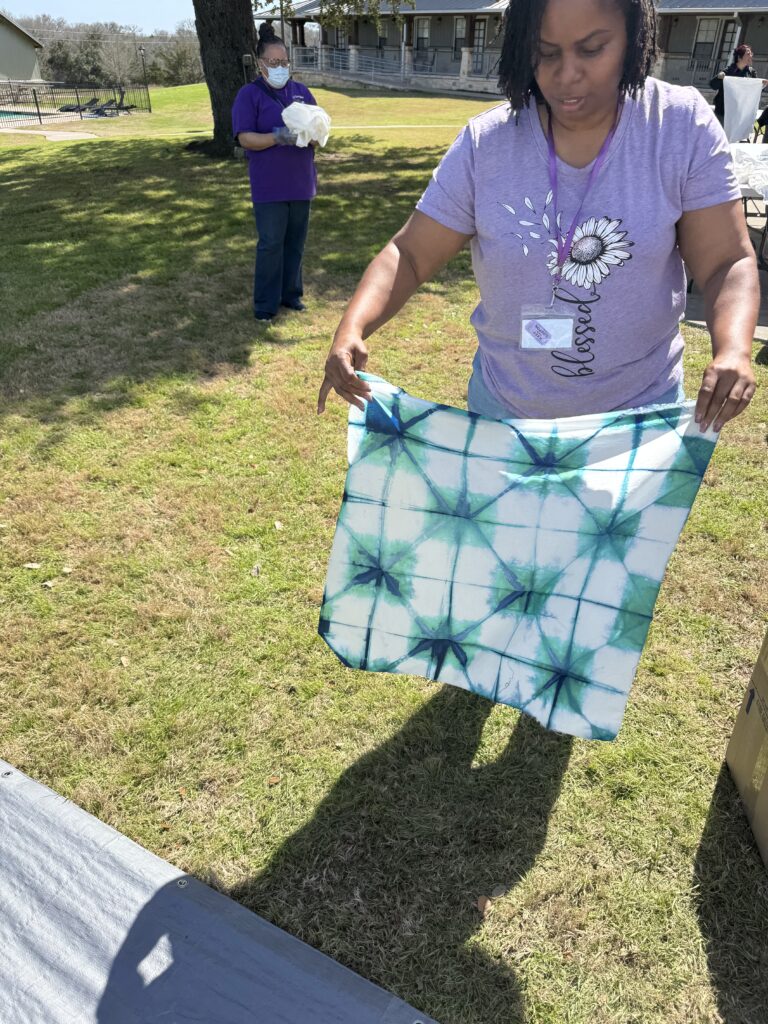
The Japanese verb “shiboru,” which means “to wring, press, or squeeze,” is the root of the word “shibori.” The oldest shibori textiles in Japan date to the eighth century. Shibori was used to adorn kimonos and domestic textiles; indigo was frequently used because it was inexpensive and long-lasting.
Traditional shibori is more subdued than Western tie-dye, which frequently emphasizes vivid, psychedelic hues. The most popular dye was indigo blue, and patterns were valued for their subtlety and beauty. Shibori had cultural significance as well; patterns could represent protection, luck, or prosperity.
Shibori has become popular all over the world over time, inspiring crafters, artists, and designers. It continues to serve as a link between tradition and contemporary inventiveness today.
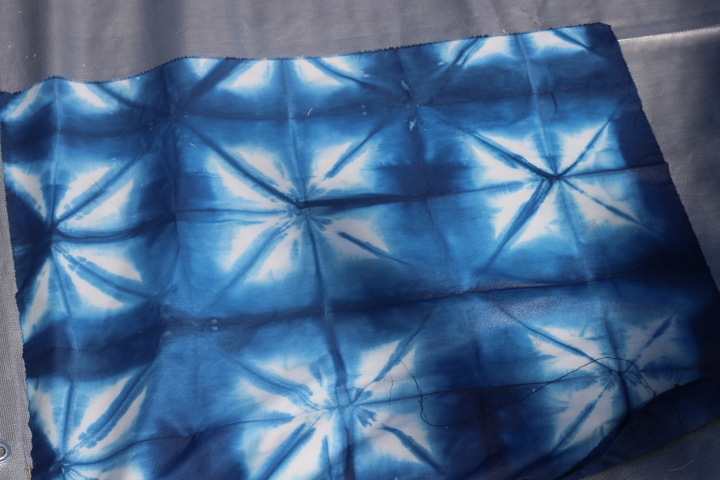
The Enchantment of Indigo Dye
Why is indigo so unique? Indigo doesn’t appear blue in the dye vat like most other dyes do. It is initially green and turns blue only when exposed to oxygen. It’s almost magical to watch the change take place; it seems like the fabric is bringing the color to life.
Indigo ages beautifully as well. Shibori-dyed fabric softens and gains character with repeated washings, much like denim jeans. As a result, each piece becomes more significant over time, in addition to being lovely at first sight.
Typical Methods for Folding Shibori
Numerous shibori techniques exist, some of which are very intricate. However, you can immediately try these three beginner-friendly techniques:
1. Itajime (Clamp + Fold):
Shape cloth into triangles or squares.
Alternate between binder clips and wooden shapes.
Bold geometric patterns are left behind when the clamped areas resist the dye.
2. Spider Web, or Kumo:
Pinch tiny pieces of cloth and secure with thread or rubber bands.
Produces designs that resemble spiderwebs or circles.
3. Pole wrapping, or arashi:
Wrap a cloth around a dowel or PVC pipe.
Scrunch the fabric after securing it firmly with a string.
Produces rain-like, diagonal streaks.
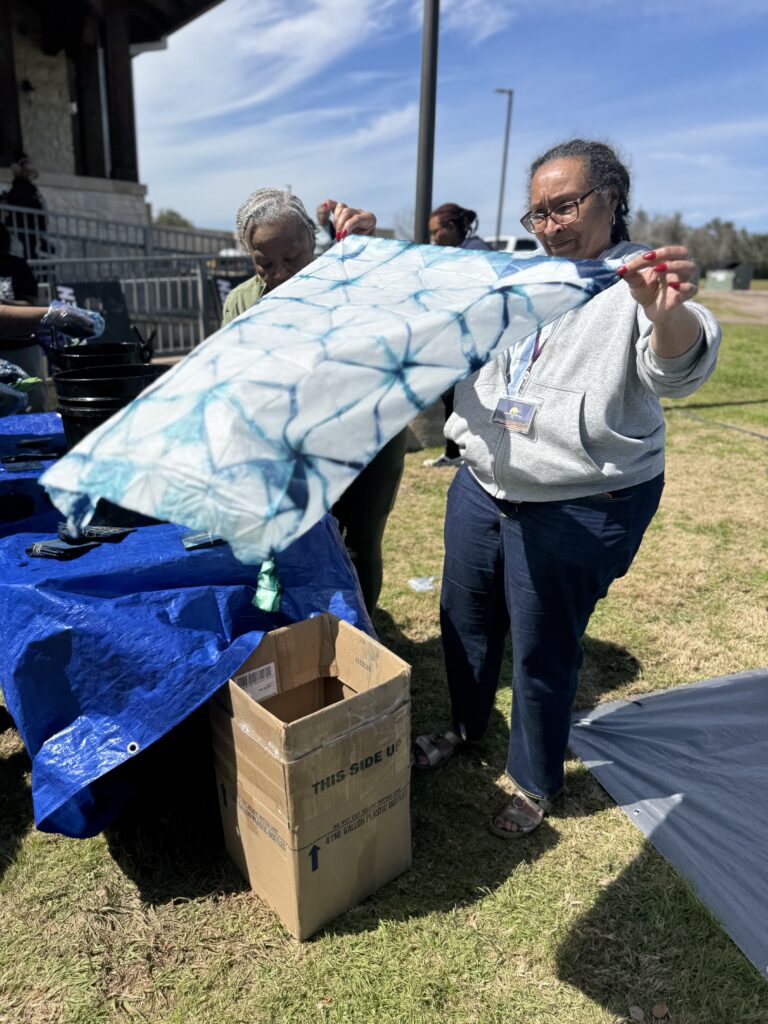
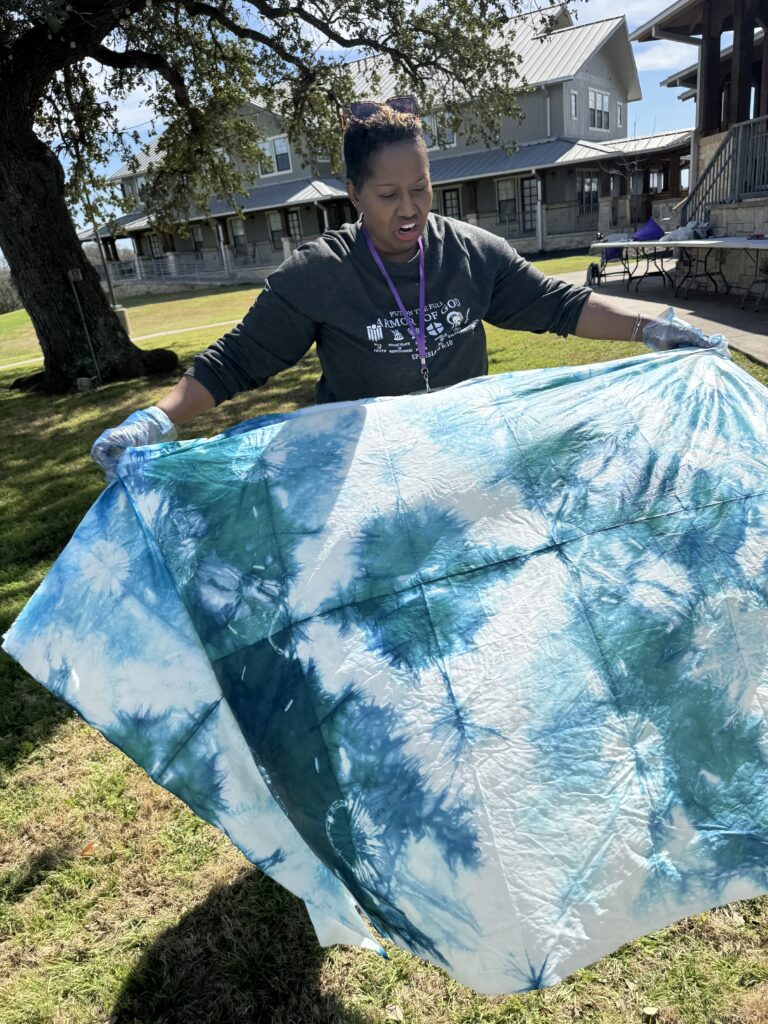
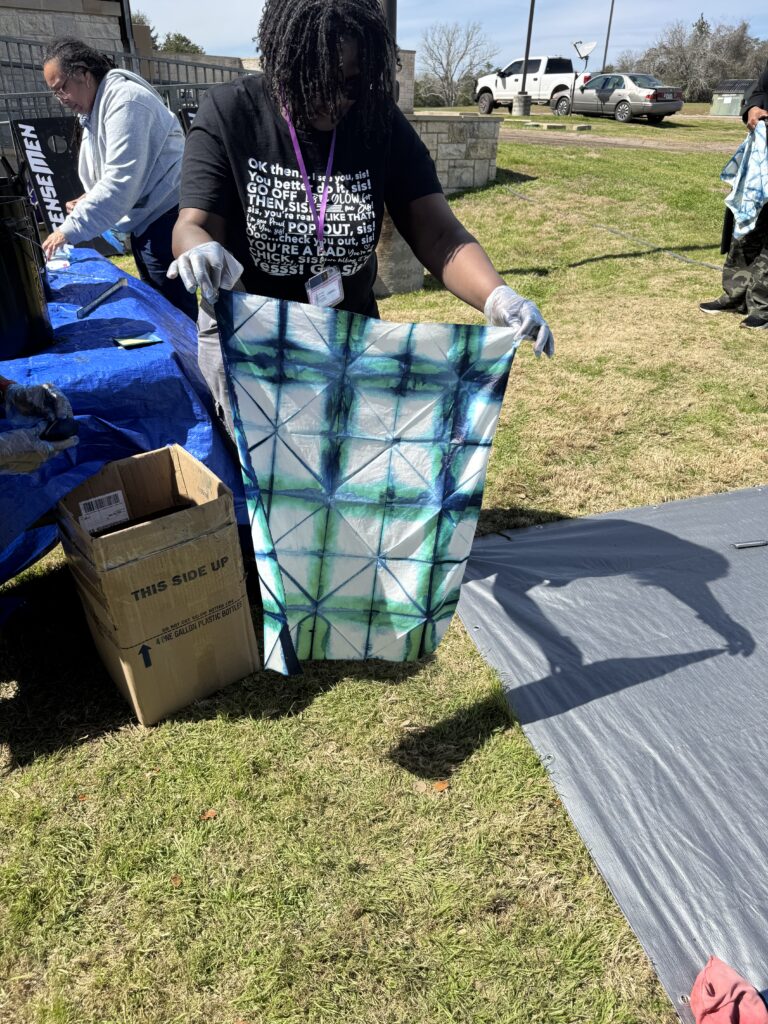
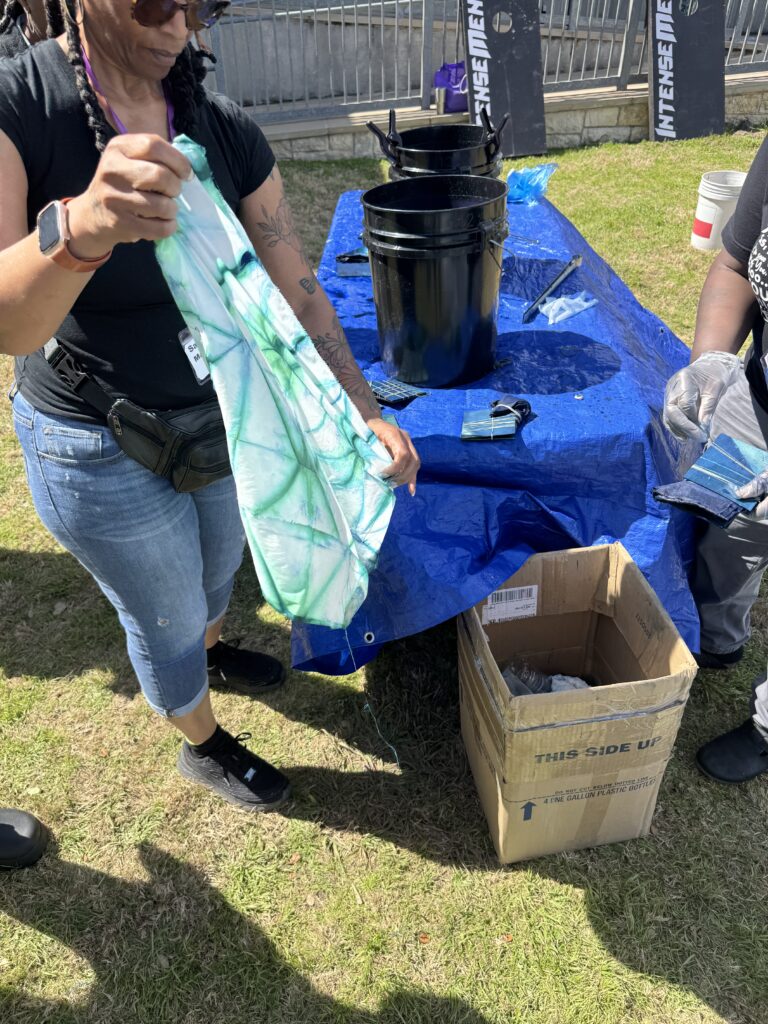
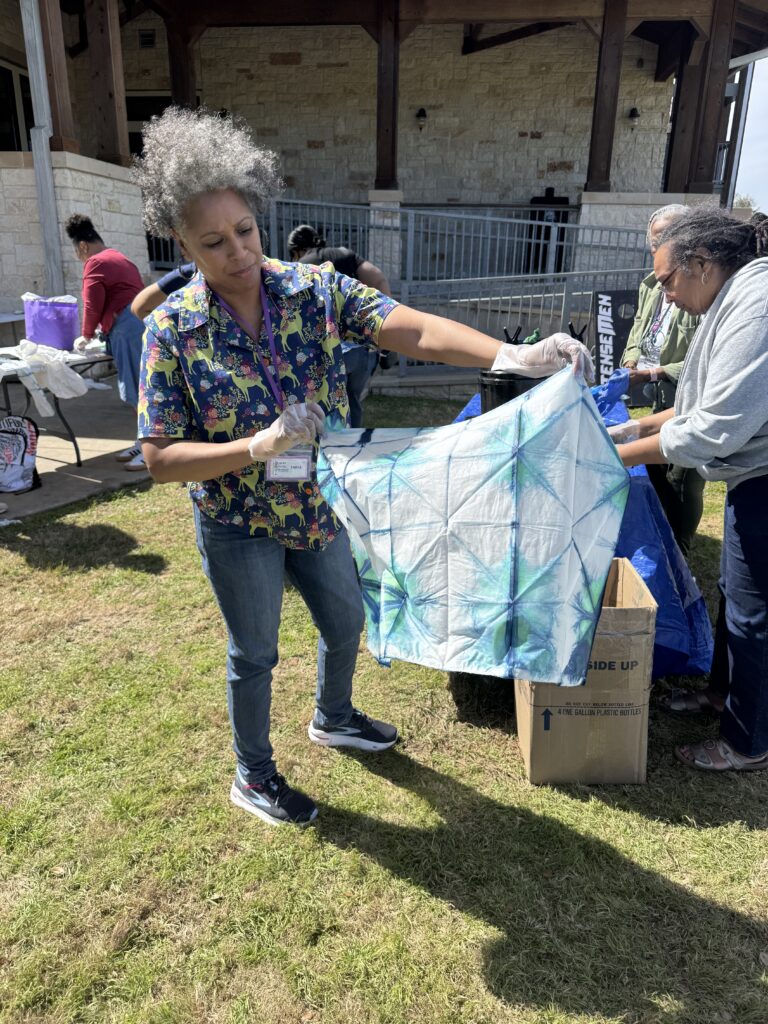
What makes shibori so beautiful is that even the “mistakes” look beautiful. Each bind, twist, and fold produces something special.
How to Do Shibori at Home
Are you prepared to try it? Here’s a basic procedure for novices:
1. Prepare the fabric by using silk or cotton. To get rid of sizing (chemicals that stop dye from penetrating), wash it first.
2. Fold & Bind: Select a method and fasten it with string, rubber bands, or clips.
3. Take a 1- to 2-minute dip in Indigo. Remove carefully to prevent air bubbles.
4. Observe the Change: The fabric turns blue as it comes into contact with oxygen.
5. Repeat: Dip several times for a darker hue.
6. Rinse and Reveal: Take off the binding, wash, and look at your design.
Wear gloves for safety! Indigo is as fond of hands as it is of fabric.
Why Shibori Addresses Today’s Makers
Shibori appeals to contemporary artists for the same reasons that have made it popular for centuries:
• Mindfulness: Binding and folding cloth promotes relaxation and meditation.
• Sustainability: It looks great on repurposed fabrics, such as used napkins or pillowcases.
• Community: Shibori is most enjoyable in groups, where each reveal is unique yet equally thrilling.
• Self-expression: No two pieces are alike; each one is a reflection of the hands that created it.
Shibori encourages us to take our time, try new things, and accept our flaws in a world of mass production.
Advice for Novices
• Start small: Before moving on to larger pieces, try bandanas or napkins.
• Natural fibers, such as cotton, silk, and linen, are better at absorbing dye than synthetics.
• Take your time: Allow the dye to oxidize in between dips completely.
• Play: See what happens when you combine different folding techniques.
From Blog to Workshop
It is one thing to read about shibori; quite another to experience it. You must experience the indigo’s scent, the excitement of opening your fabric, and the delight of seeing a pattern come to life in person.
I enjoy teaching Indigo Shibori Workshops here in Nashville because of this. You will learn how to fold your fabric, dip it in a real indigo vat, and come away with a wearable item that you made yourself, such as a silk scarf or bandana, in just ninety minutes.
You don’t need any prior experience, and all the materials are provided. All you need is a willingness to play and a sense of curiosity.
Sign up for Sandra Lee Design’s Indigo Workshop.
Shibori is an art form that links us to our past, our craft, and ourselves; it is more than just a way to dye fabric. Tradition and the maker’s uniqueness are imprinted on each piece.
Shibori provides an opportunity to slow down, create, and appreciate the beauty of imperfection, whether you’re folding your first bandana or trying out silk scarves.
So take that cloth, fold it tightly, and dip it in indigo. When you unfold it, you never know what magic will show up.